What will you process?
Share the plastic types, source, photographs, approximate composition, moisture and contaminants. Mixed feedstock needs an individual review.
Continuous Waste Plastic Pyrolysis Plants · 10–50 tonnes per day. Define a configuration around your material, throughput and site conditions.
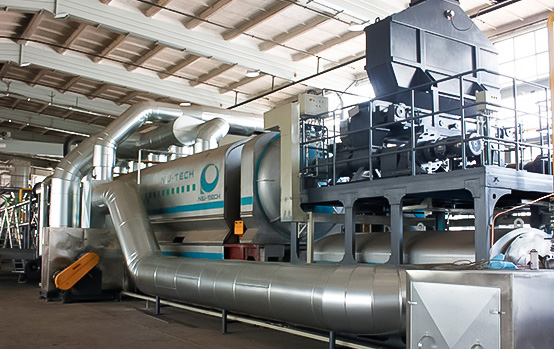
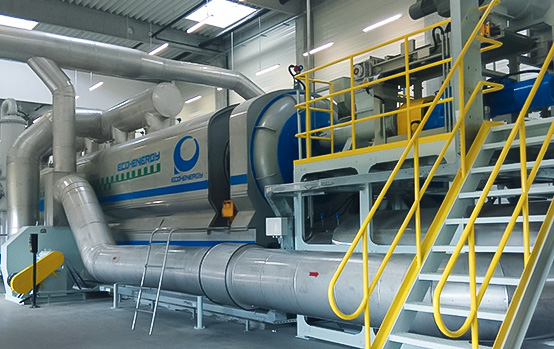
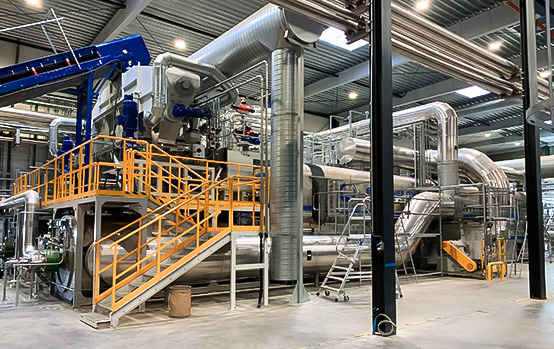
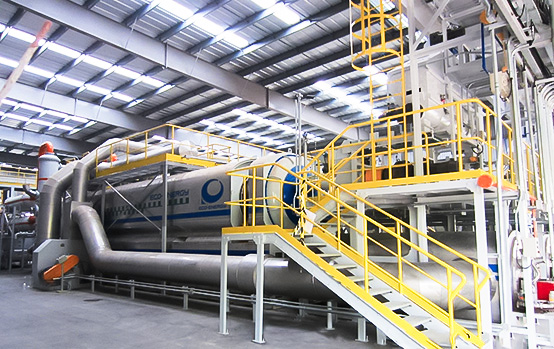
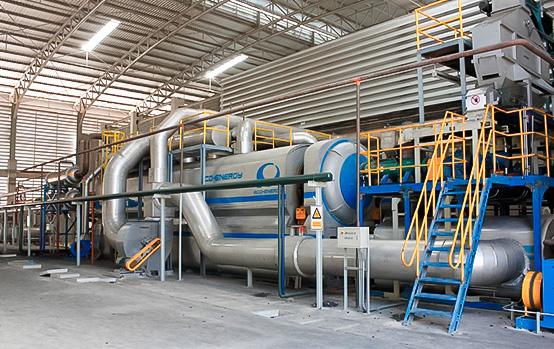
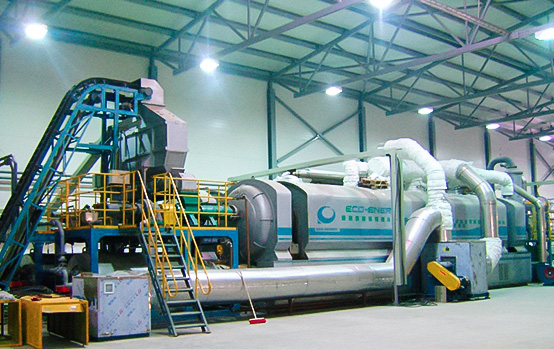
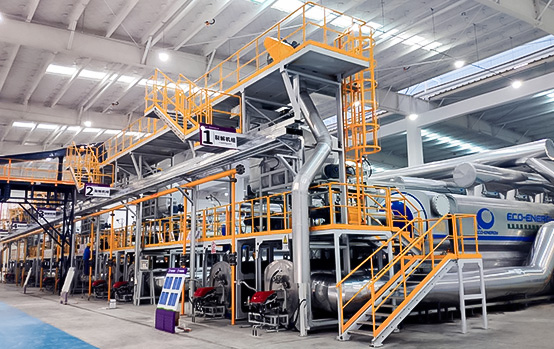
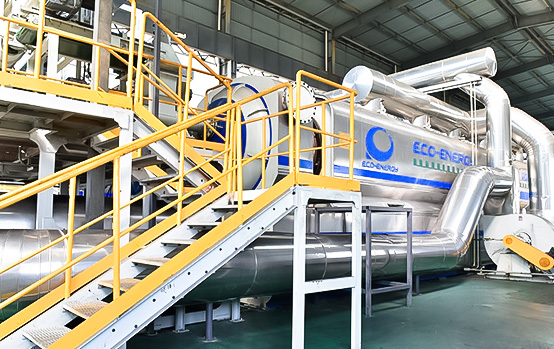
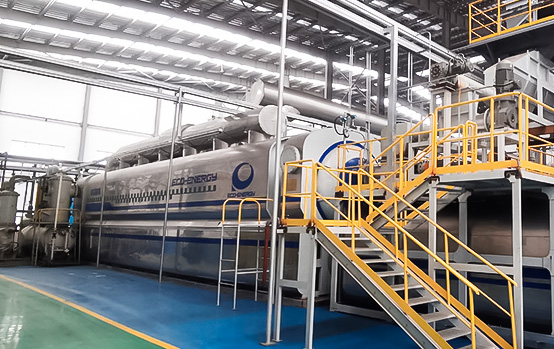
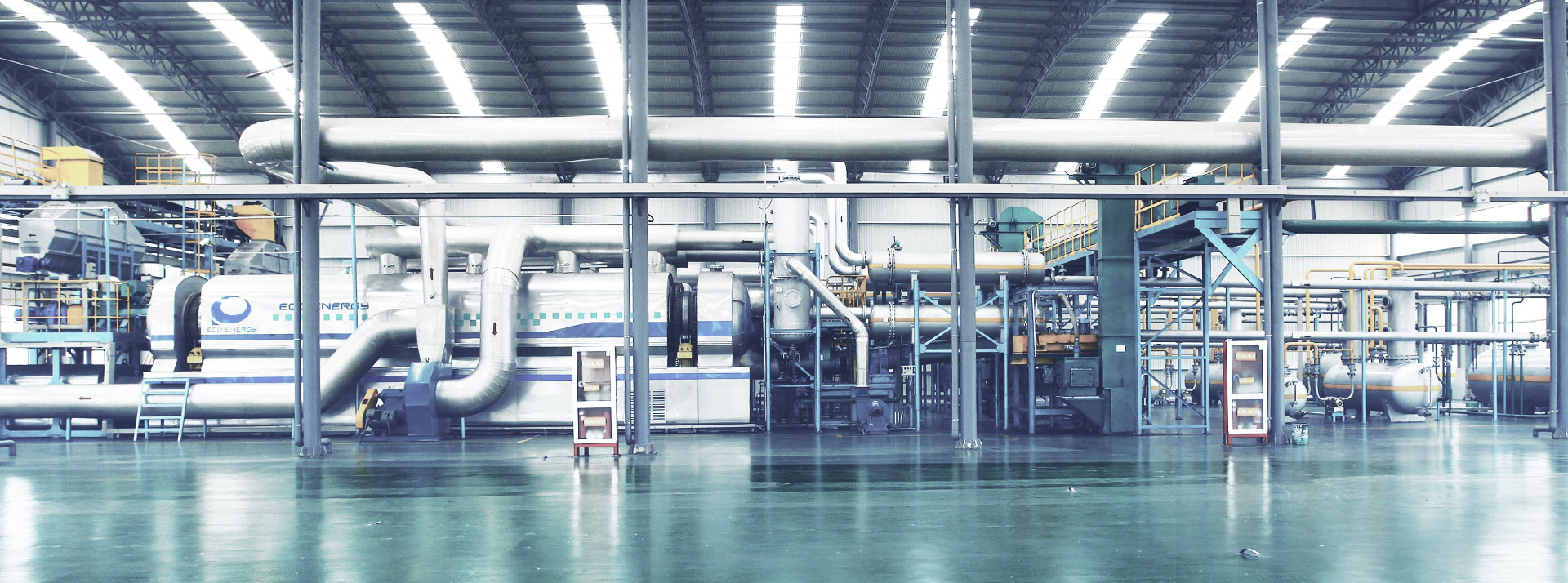
Request equipment information ↗Equipment, platforms and process pipework. Select a photograph for a larger view.
Pyrolysis uses heat in oxygen-limited conditions to break down plastic polymers. Feedstock composition influences process behavior and recovered products.
The figures here describe our capacity range. A project-specific proposal should confirm the selected model, operating basis, utilities and equipment scope.
| Equipment | Continuous waste plastic pyrolysis plant |
|---|---|
| Processing capacity | 10–50 tonnes/day |
| Capacity basis | To be confirmed for the selected feedstock and daily operating hours |
| Feedstock acceptance | Subject to material assessment |
| Layout & utilities | Specified for the selected configuration |
| Product yield & quality | Dependent on feedstock and operating conditions |
Share the plastic types, source, photographs, approximate composition, moisture and contaminants. Mixed feedstock needs an individual review.
Tell us your target daily throughput and planned operating schedule so the proposed capacity has a clear basis.
Provide the country, site space and available utilities. Include local project requirements in the technical discussion.
Suitability must be assessed from the actual feedstock. Share the plastic composition and any contaminants before selecting equipment. No universal feedstock acceptance is assumed.
This is the stated processing capacity range, not the amount of recovered product. The selected capacity and operating basis must be confirmed in the technical proposal.
Request a feedstock specification, process layout, equipment scope, utility requirements, performance conditions and details of any agreed installation, training and spare parts support.